How to Personalize Gutters and Fences

All American Gutters and Fences serve as impactful tools for homeowners, elevating both privacy and security. Make your fence uniquely yours by adding personalized details.
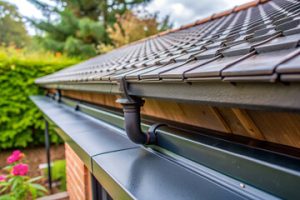
Gutters

When selecting the best fence materials for your home, consider factors like climate, maintenance preferences and budget. The right material will withstand local weather conditions and protect your property from damage.

A horizontal slat fence is the ideal fencing solution for homeowners seeking a modern look for their properties. Unlike traditional vertical fences, horizontal slat fences have a sleek appearance that complements minimalist architectural trends seen across Melbourne suburbs. These versatile fencing options can be crafted from a variety of materials to fit the design preferences and functionality needs of each home. Whether as a boundary marker or to enhance the curb appeal of a front yard, a new horizontal fence can add value and charm to any property.

The most popular type of horizontal slat fence is made from wood. This material is a natural choice that provides homeowners with the benefits of a sturdy, long-lasting and visually appealing barrier. A wood slat fence can be stained or painted to match the colors and aesthetic of your home and backyard. This style of fence can be combined with other elements to achieve unique and customized looks, such as louvered or woven designs.

In addition to enhancing the aesthetics of your yard, a new slat fence can offer privacy and security. Horizontal slat fences are typically taller than standard fences, making them difficult to see through and an effective deterrent against trespassing. A wood slat fence can also be fitted with additional features to improve the security of a home, such as electric or spiked toppers.

Another benefit of a horizontal slat fence is its versatility in terms of slat width and spacing. By adjusting the slat widths and spacing, homeowners can create the level of transparency they desire for their backyards. A wider slat spacing can create an open feel and allow for light and breezes to pass through, while a narrower spacing can provide enhanced privacy.

While the slats of a horizontal slat fence are exposed to the elements, proper maintenance can help extend their lifespan. Avoiding moisture damage by minimizing ground contact and waiting several months before painting or staining new installations will prevent rot and prolong the life of your fence. With a little care, your new horizontal slat fence can serve as an attractive and functional addition to your property for years to come.

Wood Fence

Wood fences offer a warm, rustic aesthetic that complements many architectural styles. They are an affordable option for homeowners who want to add privacy and security to their properties. Their design flexibility allows them to blend seamlessly with any landscape. When properly maintained, these structures can last for years.

A wood fence can be customized to suit the specific needs of your property. The type of wood used will influence its durability and resistance to the elements. Cedar, redwood and pressure-treated pine are all common options for wood fences. Each type offers unique benefits for your home, including natural oil content that resists moisture, rot and insect infestation, as well as a beautiful grain pattern.

Other factors to consider when selecting a wood fence include its height and design. A taller fence provides more privacy, while a horizontal wood fence can be aesthetically pleasing in a more open yard. In addition, a wooden fence can help reduce noise pollution in urban areas by absorbing the sounds of traffic or nearby construction.

Wood fences come in a variety of colors and designs, allowing you to create the perfect look for your home. Some of the most popular choices are picket fences, lattice fences, and board-on-board configurations. You can also stain or paint your fence to match the color scheme of your house.

When choosing a wood fence, be sure to consider local zoning regulations and homeowner’s association rules regarding appearance and placement. These restrictions can impact your fence’s appearance and function, as well as your ability to install the structure yourself.

To ensure the longevity of a wood fence, it’s important to follow proper maintenance procedures and use quality materials. Regular inspections, cleaning, staining and painting can help protect against rot and insects. Staining and sealing can also protect against moisture, UV rays and other environmental factors that can damage the wood. Inspecting the condition of your wood fence regularly will allow you to identify any problems and correct them immediately.

Vinyl Fence

A vinyl fence is a modern, affordable fencing option that offers both function and style. It’s easy to install, and a professional crew can usually finish the job in less time than with other types of fencing materials. It also stands up to harsh weather conditions and doesn’t require regular maintenance or painting, saving you money in the long run.

In addition, because it doesn’t rust or need paint, vinyl is more environmentally friendly than a metal fence or wood fence. It also doesn’t need pesticides or preservatives, which means it doesn’t release harmful chemicals into the environment. It can also be recycled at the end of its lifespan, contributing to a circular economy and reducing landfill waste.

While vinyl fences are generally more cost-effective in the long run than other fencing materials, they may be slightly more expensive upfront. However, high-quality vinyl fencing is durable and can last up to 30 years with little wear. It’s also impact-resistant and resists corrosion and rot, making it ideal for coastal environments. Additionally, many vinyl fences are manufactured with tongue-and-groove infill boards like those found on Lowe’s Freedom Outdoor Living privacy vinyl fencing to provide superior strength and stability.

Vinyl is also resistant to UV radiation, which can deteriorate and discolor wooden fencing. It’s important to find a manufacturer who uses titanium dioxide in their vinyl to help prevent this damage. Higher-quality vinyl will also retain color longer, especially in lighter colors like white.

A vinyl fence has an attractive look and will match most home styles and landscaping designs. It’s also a popular choice for homeowners who live in HOA communities and want to maintain a uniform look. It can also be complemented with additional decorations, such as caps on the top of each post and skirts at the bottom of each post.

When vinyl fencing first came on the market, some homeowners were concerned that it would have a plastic looking aesthetic that detracted from the natural beauty of their landscape. Today, however, manufacturers have improved on their initial product design by offering a wide range of style options. These include shadowbox fences that combine both a solid and open design, semi-privacy fences with lattice tops to allow air flow and light, and picket fences that feature spaced spaces for a classic look.

Picket Fence

A picket fence is a simple, functional design that adds to the charm of your home. These classic fences can be customized with a variety of colors and designs, and they can complement many different styles of architecture. You can use the traditional white picket fence to create a charming, cottage-like look, or you can use it to add a touch of class to your home. A picket fence can also be a great backdrop for your favorite flowers.

A white picket fence is often associated with American suburbia and the idea of the perfect home. It is a popular choice for gardeners who want to showcase their plants. It can be a great backdrop for rambling roses, lavender, and other flowering vines. It is also a good choice for front yards, where it can enhance the curb appeal of your home.

Before you start building your fence, decide what you want it to accomplish. This will influence a lot of other decisions, including the materials, height, and location of your fence. For example, a fence to keep kids and pets safe will likely be taller and more utilitarian in appearance than one that is just for aesthetics.

If you are planning to build a new fence, walk the area where it will be located. Make note of any trees, bushes, and other plants that might interfere with the construction process. Also, find out whether your property is subject to any local bylaws or homeowner’s association guidelines. It is important to know what your limitations are before you start the work so that you don’t run into any unexpected problems.

While you can still get a picket fence built piece by piece, most homeowners now prefer to go with pre-built fence panels that are easier to install. This is also a more affordable option.

If you are using an aluminum fence to protect your backyard, consider adding decorative touches to it to create a unique look and feel. Display family photos, inspirational messages, or other sentimental items on your fence to infuse it with meaning and personality. You can also add twinkling string lights to your aluminum fence to give your backyard a magical glow after dark.

The Benefits of Working with Licensed and Experienced General Contractors

When it comes to home renovations, commercial projects, or large-scale construction work, the choice of a general contractor can make or break the outcome. Hiring the right professional is more than a convenience—it is a strategic decision that directly affects quality, timelines, cost, and safety. General contractors play a central role in coordinating every aspect of a project, from initial planning and permitting to execution and final inspections. For homeowners, business owners, and developers alike, working with licensed and experienced contractors offers benefits that far outweigh the cost of professional services, ensuring both peace of mind and superior results.

One of the primary advantages of hiring a licensed General Contractor Lexington KY is the assurance of compliance with local building codes, regulations, and safety standards. Licensed contractors are required to meet specific criteria, including formal training, practical experience, and examinations that verify their knowledge of construction laws and practices. This ensures that any project undertaken meets legal requirements and adheres to safety protocols. Compliance is particularly important in projects involving structural changes, electrical work, plumbing, or roofing, where deviations from code can result in fines, costly rework, or even legal liability. By choosing a licensed professional, clients mitigate the risk of regulatory issues and guarantee that the project is built on a solid foundation of legal and technical knowledge.

general contractor

Experience is another critical factor that sets top contractors apart. Seasoned professionals have encountered a wide range of challenges and scenarios, allowing them to anticipate potential problems and implement effective solutions before they escalate. Experienced contractors bring insight into material selection, project sequencing, and workflow management, which enhances efficiency and reduces costly mistakes. Their familiarity with common pitfalls, from weather delays to subcontractor coordination, ensures that projects proceed smoothly. Moreover, experienced contractors often maintain relationships with trusted suppliers and subcontractors, ensuring the timely delivery of materials and access to skilled tradespeople. This network is invaluable for completing projects on schedule and within budget.

Project management is at the core of what general contractors do, and their expertise directly benefits clients. Coordinating multiple trades, scheduling inspections, and managing resources can be overwhelming for anyone without professional training. Licensed contractors streamline these processes, creating detailed project timelines, securing necessary permits, and overseeing every phase of construction. Their oversight prevents miscommunication among subcontractors, reduces downtime, and ensures that each stage of the project aligns with the client’s vision. Effective project management not only maintains quality and efficiency but also protects the client’s investment by avoiding delays, errors, or unnecessary expenditures.

Safety is a non-negotiable consideration in construction, and licensed contractors prioritize it in every project. Construction sites involve inherent risks, from heavy equipment and elevated work areas to electrical systems and hazardous materials. Experienced contractors implement rigorous safety protocols, ensure proper protective equipment is used, and train workers to handle potential hazards. Insurance coverage, often required for licensed contractors, further protects both the client and the workers in case of accidents. By hiring professionals with a strong safety track record, homeowners and business owners reduce the likelihood of injury, liability, and property damage, creating a secure environment throughout the construction process.

Financial accountability is another key benefit of working with licensed general contractors. Transparent budgeting, accurate cost estimates, and proper contract management ensure that clients understand the financial scope of their project from the outset. Licensed contractors typically provide written estimates, clearly outlining materials, labor, permits, and contingency plans. Experienced professionals are also skilled at managing changes in scope, negotiating with suppliers, and identifying cost-saving opportunities without sacrificing quality. This financial oversight minimizes unexpected expenses and provides peace of mind, allowing clients to focus on design decisions and project outcomes rather than worrying about hidden costs or overruns.

Quality assurance is an area where licensed and experienced contractors excel. They have the technical skills and industry knowledge to execute work to the highest standards. Whether the project involves custom cabinetry, structural modifications, roofing, or full-scale remodels, a professional contractor ensures that every detail meets or exceeds expectations. Experienced contractors are also adept at problem-solving on the fly, quickly addressing unforeseen issues such as material defects, weather disruptions, or design adjustments. This level of professionalism ensures a finished product that is durable, functional, and aesthetically pleasing, ultimately enhancing the value of the property.

Two key considerations for homeowners or developers when selecting a contractor include licensing verification and experience evaluation:

  1. Verify Credentials and Licensing – Confirm that the contractor holds current licenses and meets state or local requirements. Licensing ensures technical knowledge, legal compliance, and access to insurance protections, providing an added layer of accountability.
  2. Assess Past Projects and References – Reviewing a contractor’s portfolio, client testimonials, and completed projects helps evaluate their expertise, reliability, and ability to handle projects similar in scale and complexity. Experienced contractors demonstrate consistency in delivering high-quality results.

Time efficiency is another tangible benefit of working with experienced contractors. Construction projects involve numerous interdependent tasks that must be sequenced correctly. Delays in one phase can ripple through the entire project, resulting in extended timelines and additional costs. Licensed contractors use established project management strategies to schedule work, coordinate deliveries, and maintain deadlines. Their experience allows them to anticipate bottlenecks and proactively adjust timelines, ensuring that the project progresses without unnecessary interruptions. For clients, this translates into a smoother construction experience and timely project completion.

Professional contractors also offer design guidance and practical recommendations that enhance both functionality and aesthetic appeal. Many clients seek expert advice when selecting materials, finishes, and layouts. Experienced contractors provide insights into durability, maintenance requirements, and cost-effectiveness, guiding clients toward choices that balance style with long-term value. Their knowledge can also help maximize space utilization, improve energy efficiency, and integrate modern amenities without exceeding budget constraints. The combination of technical expertise and design insight ensures that the outcome is both visually appealing and highly functional.

Another important consideration is risk mitigation. Construction projects inherently carry risks, from unforeseen structural issues to supply shortages or weather-related delays. Licensed and experienced contractors are adept at identifying potential risks before work begins and developing contingency plans to address them. Their ability to navigate challenges minimizes disruptions, protects the client’s investment, and ensures that the project meets safety and quality standards. Clients benefit from reduced stress and greater confidence in the project’s success, knowing that professionals are managing uncertainties on their behalf.

Communication and accountability are also enhanced when working with licensed general contractors. Professionals maintain clear lines of communication, provide regular updates, and respond promptly to questions or concerns. Detailed contracts and documentation outline responsibilities, timelines, and payment schedules, ensuring transparency and mutual understanding. Effective communication fosters collaboration between clients, contractors, and subcontractors, reducing misunderstandings and enhancing overall satisfaction. This level of accountability is particularly important in complex projects, where multiple stakeholders and moving parts must be coordinated efficiently.

Maintenance and warranty support further demonstrate the advantages of professional contractors. Many licensed contractors provide warranties or guarantees on their work, offering reassurance that any issues will be addressed post-completion. This support protects the client from unforeseen defects or failures and ensures long-term performance of the improvements. The combination of high-quality workmanship, professional oversight, and warranty coverage enhances the overall value and longevity of the property. Investing in a licensed and experienced contractor a prudent choice.

In conclusion, working with licensed and experienced general contractors delivers significant benefits that go beyond convenience. From ensuring legal compliance, safety, and energy efficiency to providing high-quality workmanship, financial transparency, and effective project management, professional contractors play a critical role in achieving successful construction outcomes. Their expertise reduces stress, prevents costly errors, and enhances both aesthetic and functional aspects of a property.

For homeowners, developers, and business owners, investing in a licensed and experienced contractor is a strategic decision that maximizes return on investment, protects property value, and delivers peace of mind throughout the construction process. By prioritizing credentials, evaluating experience, and considering both technical and design expertise, clients can ensure that their projects are completed on time, within budget, and to the highest standards. Ultimately, professional contractors are not merely service providers—they are partners in transforming ideas into lasting, high-quality results.

The combination of licensing, experience, and professionalism ensures that construction projects meet or exceed expectations, creating homes and commercial spaces that are safe, functional, and visually appealing. By working with skilled general contractors, property owners safeguard their investment, streamline project execution, and achieve outcomes that reflect both quality and value, reinforcing the importance of professional expertise in every construction endeavor.