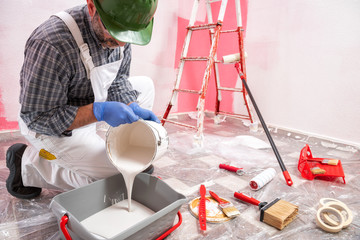
How to Prepare a House for Interior Painting

painter

Painting your home’s interior can transform the atmosphere of any space. Whether you are refreshing a room with the same color or giving it a bold new look, the final results often come down to preparation. Rushing into painting without properly preparing your house can lead to uneven coats, streaks, and paint that chips or peels over time. With the right steps, you can make the process smoother and ensure that the finished job looks clean and professional.

This guide walks you through everything you need to know about preparing your house for interior painting. From clearing out rooms and protecting surfaces to fixing imperfections on walls and priming correctly, these steps will help you get the best possible outcome. To learn more, visit this website at https://www.simplifypainting.com/.

1. Clear and Organize the Space

The first step is to create a clean workspace. Remove as much furniture as possible from the room. Large items that cannot be moved should be pulled to the center and covered with plastic sheeting or drop cloths. This prevents accidental paint splatters and makes it easier to move around while painting.

Take down wall decorations, mirrors, curtain rods, and shelves. If you leave these items up, you will have visible gaps or messy edges once the paint dries. Keep screws, nails, and hardware in labeled bags so they are easy to reinstall later.

2. Protect Floors and Fixtures

Painting can get messy, and drips are inevitable. Lay down drop cloths across the entire floor. Fabric drop cloths are recommended since they absorb paint and reduce slipping hazards. Plastic sheeting is an option, but it can move around or trap wet paint that may transfer to shoes.

Cover fixtures such as ceiling fans, lighting, and vents with plastic bags or painter’s tape. Wrap doorknobs in plastic or aluminum foil for quick protection.

3. Remove or Cover Outlet and Switch Plates

Unscrew outlet covers, switch plates, and vent covers before you start painting. Painting around them often leaves messy edges, and you risk getting paint on the covers. Place the removed items in a labeled bag. For exposed outlets and switches, cover them with painter’s tape to keep them safe from splatters.

4. Wash the Walls

Walls may look clean, but dust, oils, and grime build up over time. If you paint over dirty surfaces, the paint may not stick properly. Use a mild soap and water solution with a sponge or cloth to clean the walls. For kitchens, where grease buildup is common, a degreasing cleaner works best. In bathrooms, wash down walls with a mildew-resistant cleaner.

Allow walls to dry completely before moving on to repairs or priming.

5. Repair Holes and Cracks

Painting over damaged surfaces will not hide flaws. Take the time to repair imperfections before painting.

  • Small holes from nails or screws can be filled with spackling paste.
  • Cracks in walls should be widened slightly with a utility knife before filling so the repair material bonds securely.
  • Large holes or dents may require patch kits with mesh or drywall tape.

Once repairs are made, allow the material to dry and then sand smooth. Always feather the edges so they blend seamlessly with the wall surface.

6. Sand and Smooth Surfaces

Sanding is often overlooked but is critical for achieving a polished finish. Lightly sand walls with fine-grit sandpaper to remove any rough patches, dried paint drips, or glossy surfaces that might prevent paint adhesion. Pay extra attention to areas where repairs were made.

After sanding, vacuum or wipe down surfaces with a damp cloth to remove dust. Leftover dust can interfere with how paint adheres and lead to uneven textures.

7. Address Stains and Discoloration

Stubborn stains from smoke, water damage, or markers can bleed through new paint. Apply a stain-blocking primer to problem areas before painting. Without this step, the stain may resurface even after multiple coats of paint.

8. Tape Off Trim and Edges

Clean, sharp lines are a hallmark of a good paint job. Use painter’s tape to mask off trim, baseboards, door frames, and windows. Press the tape down firmly along the edges to prevent paint from seeping underneath. For extra protection, run a putty knife along the tape to seal it.

Painter’s tape should only be removed after the paint is slightly dry to the touch, not fully cured. Waiting too long can cause the tape to peel off dried paint along with it.

9. Prime the Walls

Primer is essential when painting over bare drywall, dark colors, stains, or repaired areas. It creates a uniform surface that helps paint adhere better and last longer. Even if you are painting a light color over another light shade, priming helps achieve consistent coverage.

Stir the primer well before applying and use the same techniques as you would for paint: start with the edges using a brush, then fill in the walls with a roller. Allow the primer to dry according to the manufacturer’s instructions.

10. Ventilate and Control Conditions

Proper airflow helps paint dry evenly and reduces fumes. Open windows and doors when possible, and use fans to circulate air. Avoid painting when humidity is high, since moisture can prevent paint from curing properly. Room temperature should be moderate for the best results.

11. Prepare Tools and Supplies

Having everything ready before you begin painting saves time and frustration. Gather:

  • High-quality brushes in different sizes
  • Rollers with the correct nap for your wall texture
  • Paint trays and liners
  • Extension poles for ceilings and tall walls
  • Step ladders
  • Stir sticks
  • Rags for quick cleanups

Keep all supplies in one area so you are not running around mid-project.

12. Final Walkthrough Before Painting

Do a final check of the space before you open the paint cans. Ensure that:

  • All furniture is covered or moved out.
  • Floors are protected.
  • Walls are clean, sanded, and repaired.
  • Trim and edges are taped off.
  • Tools are organized and ready.

Taking a few minutes for this walkthrough prevents mistakes and helps the project go smoothly.

Conclusion

Preparing a house for interior painting requires patience and attention to detail, but the payoff is worth it. Skipping steps like cleaning walls, repairing damage, or protecting floors often results in a messy, short-lived paint job. By following the right preparation methods, you ensure that the new paint not only looks beautiful but also lasts for years.

A successful painting project is more about the prep than the brush strokes. With clean, smooth surfaces and a well-organized workspace, you set yourself up for a finish that enhances your home and reflects the care you put into it.
Cabinet Painters Can Transform Your Kitchen Into a Vibrant and Invigorating Space

Cabinet Painters

Cabinet painting is a rewarding home improvement project that can transform your kitchen into a vibrant and inspiring space. However, it requires patience and attention to detail, along with specialized tools and precise application methods.

Choosing a professional is an excellent way to save time and avoid costly mistakes, as well as ensure that your cabinets are painted to perfection. Contact Modesto Cabinet Painters to learn more.

Cabinet painting is a complex and time-consuming process that requires a high level of skill and attention to detail. It involves a variety of steps, including sanding and priming, as well as applying multiple coats of specialized paint. Hiring professional cabinet painters will ensure a beautiful, flawless finish that is long-lasting and durable. They also have extensive experience working with various materials and can offer a variety of customizations to suit your vision. This allows you to create a unique and customized look while enhancing your home’s value and appeal.

A fresh coat of paint can transform a room and dramatically improve its appearance. However, a poorly executed project can result in visible brush strokes and other flaws that detract from the overall look and feel of your space. Hiring a pro for cabinet painting will save you both time and money in the long run, as it reduces the need for costly touch-ups or repairs. Experts know how to properly prepare surfaces and apply paint evenly, resulting in a professional-looking finish that will last for years.

Cabinet painters are also experienced in a wide range of finishes and can help you choose the right color to complement your décor. They can recommend a color that is both timeless and trendy, or they can help you achieve a more sophisticated look by matching your cabinets to other elements in your kitchen or home. In addition, professional painters will use high-quality paints that are designed to stand up to moisture and wear.

Compared to budget shortcuts, a professional paint job will deliver a longer-lasting and more attractive finish that adds to the overall value of your home. This is especially true if you plan to sell your home in the future, since a fresh cabinet look is one of the most important factors potential buyers will consider.

Hiring a professional to handle your cabinet painting project will save you the hassle of moving furniture and disrupting your daily routine during the work. This can be a huge benefit if you are trying to maintain a busy lifestyle while undergoing a major remodeling project.

Saves You Time

Painting cabinets is a time-consuming process that takes careful planning and skill to accomplish well. Professional cabinet painters are skilled at the process and have high-end tools that allow them to complete projects faster than homeowners, while delivering better results. This saves you valuable time, allowing you to enjoy your newly-painted kitchen sooner.

Unlike walls, ceilings, and trim, cabinets are designed for constant use in high-visibility areas. This means that the paint used must be durable and can stand up to high levels of moisture. Professional cabinet painters understand the importance of thorough prep work, including degreasing and sanding, as well as applying multiple coats of specialized paint to ensure lasting quality. Homeowners often skip these steps and end up with flaws like peeling or bubbling, which may require costly repainting.

Hiring a professional kitchen cabinet painting service will also save you time by avoiding mistakes that could delay the project or cause a mess in your kitchen. This is especially important for those who aren’t experienced with painting, as it can be difficult to know which products and techniques to use if you’re new to the process.

A professional kitchen cabinet painting company can avoid these issues by using a precise process that will provide you with smooth, flawless results from start to finish. Their knowledge of the best techniques, materials, and tools will also help them complete the job quickly and efficiently with minimal disruption to your daily life.

For the most accurate results, a professional kitchen cabinet painter will also use high-quality, premium paint that is easier to apply than conventional products. This type of paint can last longer, resist chipping and peeling, and offer a smooth, vibrant appearance that will stand the test of time.

For a truly seamless look, a professional will also sand and clean the surfaces of your cabinets before they begin painting. This is one of the most critical steps and something that is often overlooked by DIYers who try to cut corners or shorten the project’s duration. A professional will take the time to thoroughly sand and clean each surface before applying any primer or paint, which ensures a smooth and beautiful finish that will last.

Avoids Mistakes

Painting your cabinets is a great way to refresh your kitchen and add value to your home. But if you want your new look to last, proper preparation is key. Insufficient prep work is one of the most common mistakes homeowners make when painting their cabinets.

Failing to sand, clean, and prime before applying paint will result in a poor-quality finish that chips, peels, and scratches easily. Preparation is also key when it comes to choosing a paint color. It’s important to test the color in the space where it will be used to ensure it looks good in all lighting conditions.

Another mistake is using the wrong type of paint for cabinets. Cabinet paints aren’t your standard wall paints, and they require a special process to ensure they bond properly, cure correctly, and stand up to everything from pasta sauce splatters to toddler fingerprints.

Choosing the right paint sheen is also essential. Matte paint may seem trendy, but it’s not very durable in a busy kitchen, and it tends to collect grease marks and smudges faster than other sheens.

Finally, it’s essential to apply thin coats and wait the recommended amount of time between each application. Applying thick coats will result in visible brush marks, uneven drying, and drips. Professionals take the time to apply thin, even layers and allow each coat to dry fully before reapplying.

Using the wrong kind of materials is also a common mistake. Cabinets need a special, durable paint to prevent stains and odors, and using a regular house paint will result in a chipped, cracked, or dull finish. Professionals use high-quality materials specifically designed for cabinetry, ensuring a long-lasting, beautiful finish.

Hiring a professional to do the work will save you time and money, and it will ensure that your cabinets look stunning for years to come. If you’re ready to update your kitchen with a custom paint job, contact us today for an estimate. We look forward to turning your cabinet dreams into reality!

Boosts Your Home’s Value

The kitchen is a key focus for buyers, and outdated cabinets can be a major turnoff. A fresh coat of paint, however, can instantly boost the look and feel of a home while also increasing its overall value.

Professional cabinet painters have the skills to deliver a high-quality finish that stands up to heavy usage and daily exposure. They’re trained to handle the intricacies of cabinet painting, from thorough prep work (like degreasing and sanding) to using specialized tools and techniques for applying a smooth, even coat. This attention to detail makes a difference in how long your new cabinet color will last, protecting against peeling and bubbling down the line.

Additionally, unlike extensive home renovations, repainting your cabinets is a quick project that can be done in just a few days. This allows you to enjoy the modern, updated look of your space without weeks or months of disruption and mess. It’s also a more environmentally friendly option, as you don’t have to dispose of your old cabinets or use chemicals that could be harmful to the environment and your family.

Finally, many cabinet painters offer a range of customization options, like glazing and antiquing, that can transform your cabinets into standout features in the room. These unique finishes are often difficult or impossible to replicate with a DIY paint job, and they can add character that helps your home stand out in the real estate market.

As a bonus, choosing to hire a professional to repaint your cabinets can help you save money on remodeling costs down the line. Replacing cabinets can cost thousands of dollars, but a simple repaint will keep them looking great for much less. This is a smart investment that can pay off big time down the road, especially if you’re considering selling your home in the future.

When it comes to boosting your home’s value, few projects offer the same return on investment as repainting your cabinets. Cabinet painters are experienced in revitalizing dated kitchens and bathrooms to provide an impactful upgrade that’s easy on your wallet.